Honoring the extraordinary courage and service of United States Marines.
103 profiles · Page 6 of 6
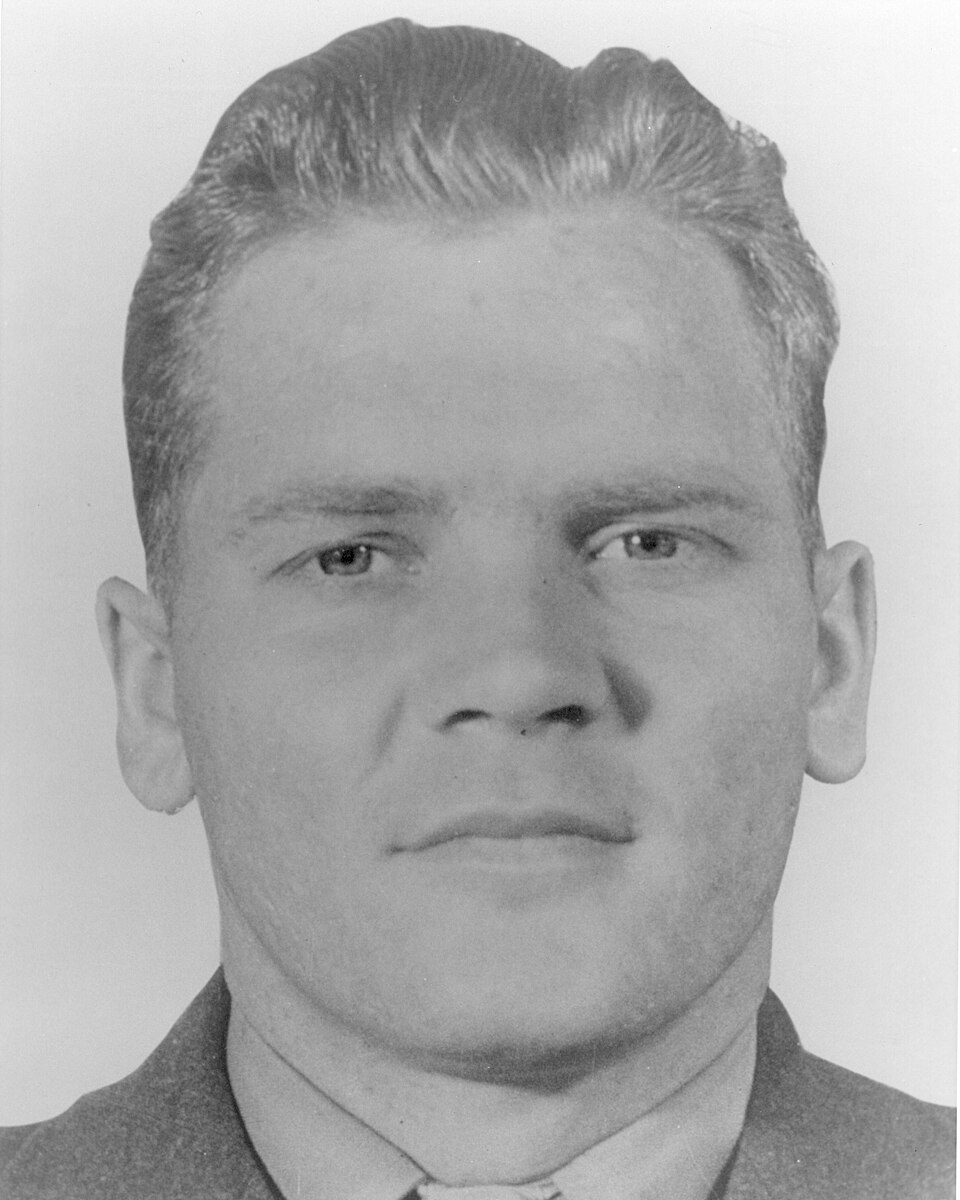
Stanley R. Christianson
Private First Class · Korean War
On September 29, 1950, during the Battle of Seoul in Korea, Private First Class Stanley R. Christianson was manning an isolated listening post on Hill 132 when enemy forces launched a fierce attack. He sent another Marine to warn his platoon but remained behind, firing continuously at advancing enemy soldiers. Christianson killed seven attackers before being overwhelmed and fatally wounded. His sacrifice gave his fellow Marines time to organize their defenses and repel the assault. He was posthumously awarded the Medal of Honor.
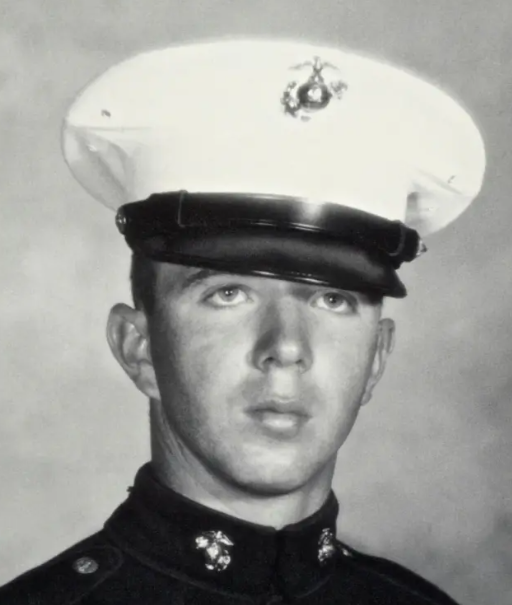
Thomas W. Kates
Private · China Relief Expedition
On June 21, 1900, during the China Relief Expedition, Private Thomas W. Kates distinguished himself in fighting near Tientsin, China. As American Marines withdrew under heavy enemy pressure, Kates joined a small rescue party, including Lieutenant Smedley Butler, to recover a wounded Marine left behind. Despite continued danger and additional casualties, the group carried their wounded comrade approximately seven miles without a stretcher. Kates received the Medal of Honor for his extraordinary courage.
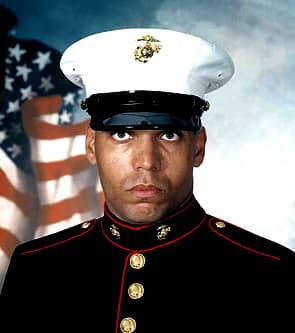
Todd Corbin
Lance Corporal · Iraq
On May 7, 2005, near Hadithah, Iraq, Lance Corporal Todd Corbin's convoy was devastated by an insurgent ambush that wounded most of its Marines. He positioned his truck to shield casualties, repeatedly crossed exposed ground to recover wounded comrades, and protected a wounded Marine with his body during gunfire. After gathering the casualties, he drove his damaged truck to an aid station. Corbin received the Navy Cross for his lifesaving actions.
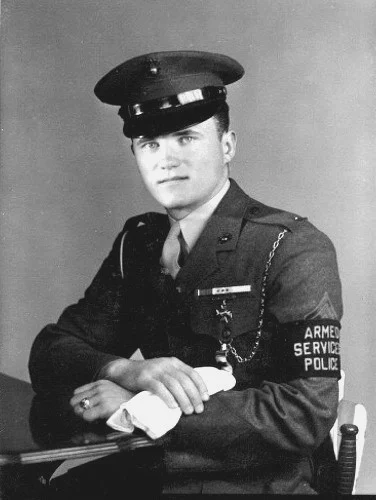
Wesley L. Fox
First Lieutenant · Vietnam War
On February 22, 1969, First Lieutenant Wesley Fox led Company A during a fierce battle in the A Shau Valley. Although wounded, he continued to direct assaults, coordinate support, and oversee the evacuation of casualties. His leadership helped his company overcome entrenched enemy positions and earned him the Medal of Honor.
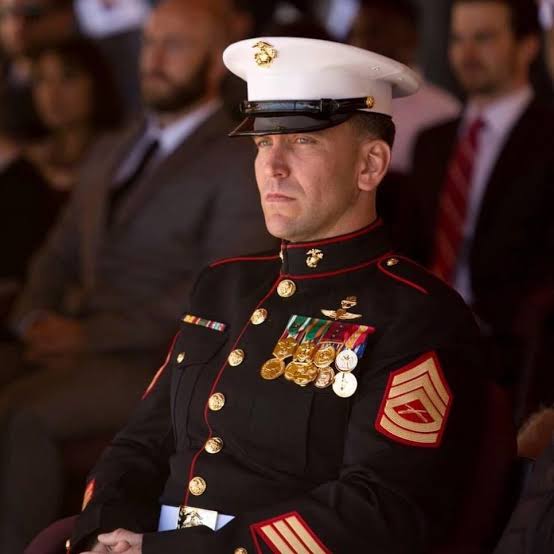
William B. Soutra Jr.
Sergeant · Afghanistan
On July 11, 2010, in Helmand Province, Afghanistan, Sergeant William Soutra was patrolling with Afghan commandos when an explosive device and enemy gunfire trapped his unit. After his team leader was mortally wounded, Soutra took command, directed defensive fire, and crossed exposed ground to help casualties. He personally carried a wounded commando to safety and organized the patrol's withdrawal with his military working dog beside him. Soutra received the Navy Cross.
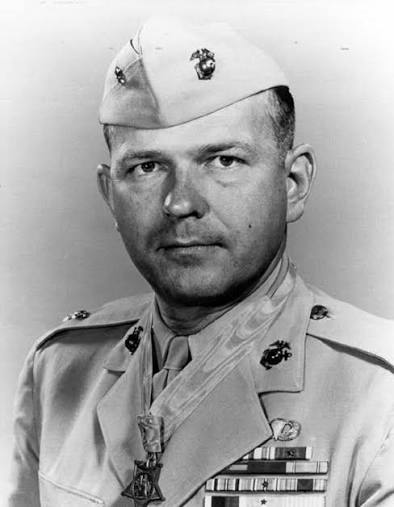
William E. Barber
Captain · Korean War
In late November and early December 1950, Captain William E. Barber commanded Fox Company, 2nd Battalion, 7th Marines, during the Chosin Reservoir campaign. His Marines held an isolated hill overlooking the vital supply road despite freezing temperatures, repeated attacks and severe casualties. Wounded himself, Barber refused to abandon the position. The company held until relief arrived, helping keep the route open for other Marines. He received the Medal of Honor.
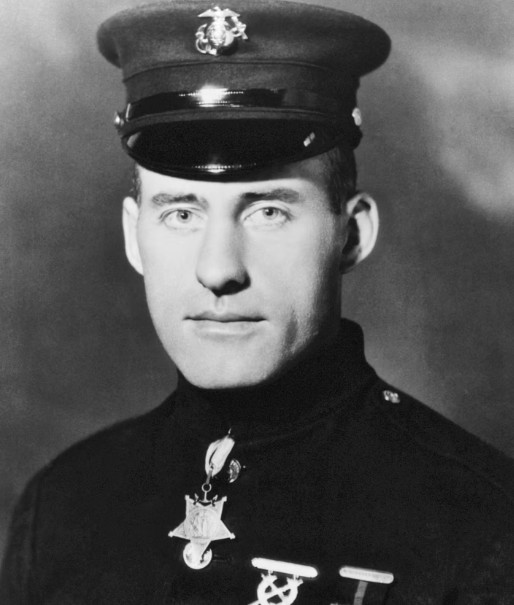
William F. Zion
Private · China Relief Expedition
From July 21 to August 17, 1900, during the China Relief Expedition, Private William F. Zion served with the Marine detachment from USS Newark during the Battle of Peking. Amid fierce fighting associated with the Boxer Rebellion, Zion distinguished himself through exceptional conduct in the presence of enemy forces. His bravery during the prolonged battle earned him the Medal of Honor in 1901. He later served in the U.S. Army, attaining the rank of first lieutenant.
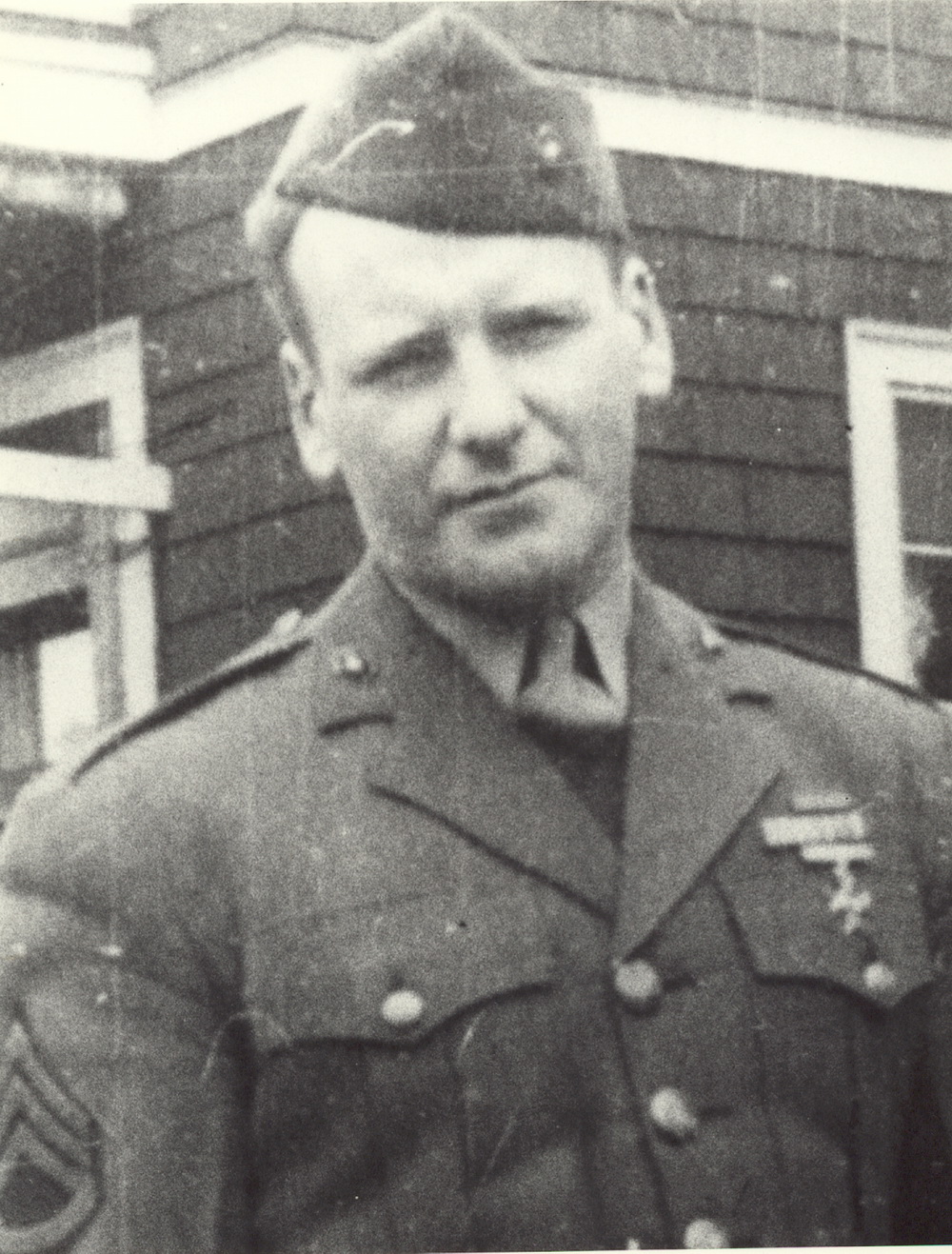
William G. Walsh
Gunnery Sergeant · World War II
On February 27, 1945, during the Battle of Iwo Jima, Gunnery Sergeant William G. Walsh led his Marines in repeated assaults against heavily fortified Japanese positions near Hill 362. Despite intense machine-gun fire and mounting casualties, he successfully led his men onto the enemy-held ridge. When a Japanese grenade landed among his surviving Marines, Walsh immediately threw himself onto the explosive, sacrificing his life to save his comrades. His extraordinary courage earned him the Medal of Honor posthumously.
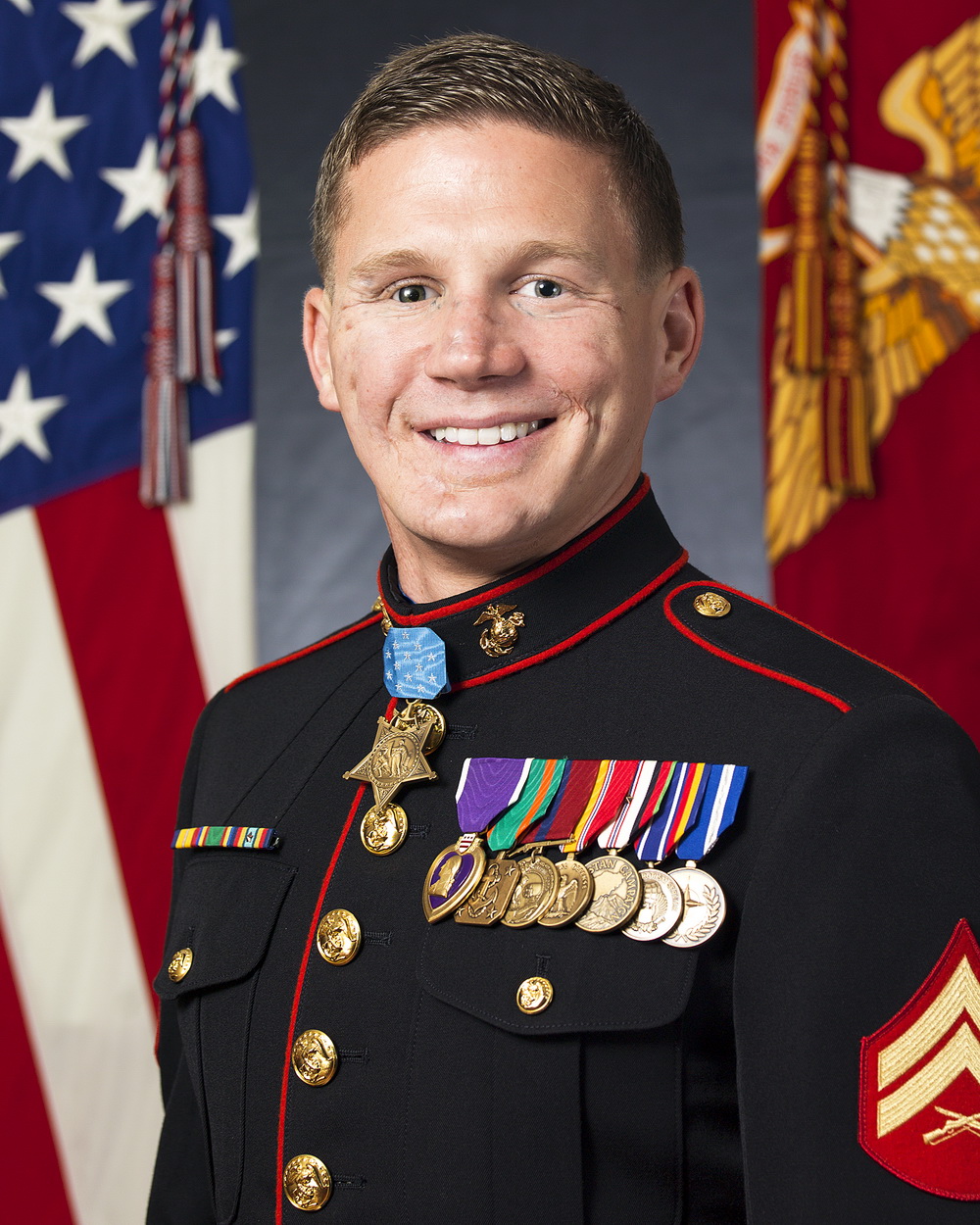
William Kyle Carpenter
Lance Corporal · Afghanistan
On November 21, 2010, Lance Corporal William Kyle Carpenter was defending a rooftop position in Afghanistan when an enemy grenade landed near him and another Marine. Carpenter moved toward the grenade to shield his fellow Marine and sustained devastating wounds in the explosion. He survived and received the Medal of Honor.
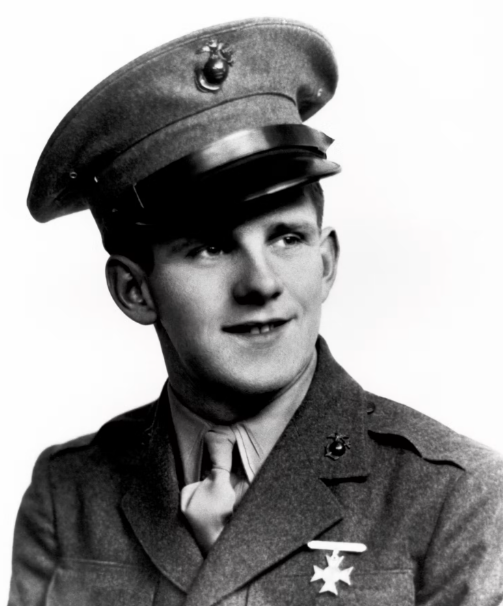
William R. Caddy
Private First Class · World War II
On March 3, 1945, during the Battle of Iwo Jima, Private First Class William R. Caddy was advancing with the 26th Marines when intense Japanese fire forced him and two fellow Marines into a shell hole. Pinned down by enemy snipers, they engaged Japanese soldiers in a fierce grenade battle. When an enemy grenade landed beyond their reach, Caddy immediately threw himself onto the explosive, sacrificing his life to protect his comrades. Just 19 years old, he was posthumously awarded the Medal of Honor.
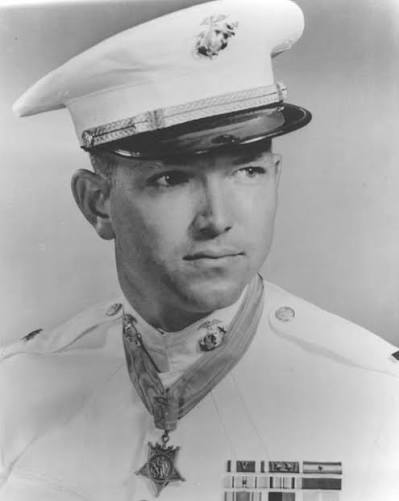
William Windrich
Staff Sergeant · Korean War
On December 1, 1950, during the Battle of Chosin Reservoir in Korea, Staff Sergeant William G. Windrich led his Marines against overwhelming enemy forces near Yudam-ni, covering the withdrawal of fellow Marines. Despite suffering a serious head wound, he organized volunteers to rescue wounded comrades from the frozen hillside. Wounded again in the leg, Windrich refused evacuation and continued directing his platoon's defenses until he succumbed to his injuries and the bitter cold. He was posthumously awarded the Medal of Honor.
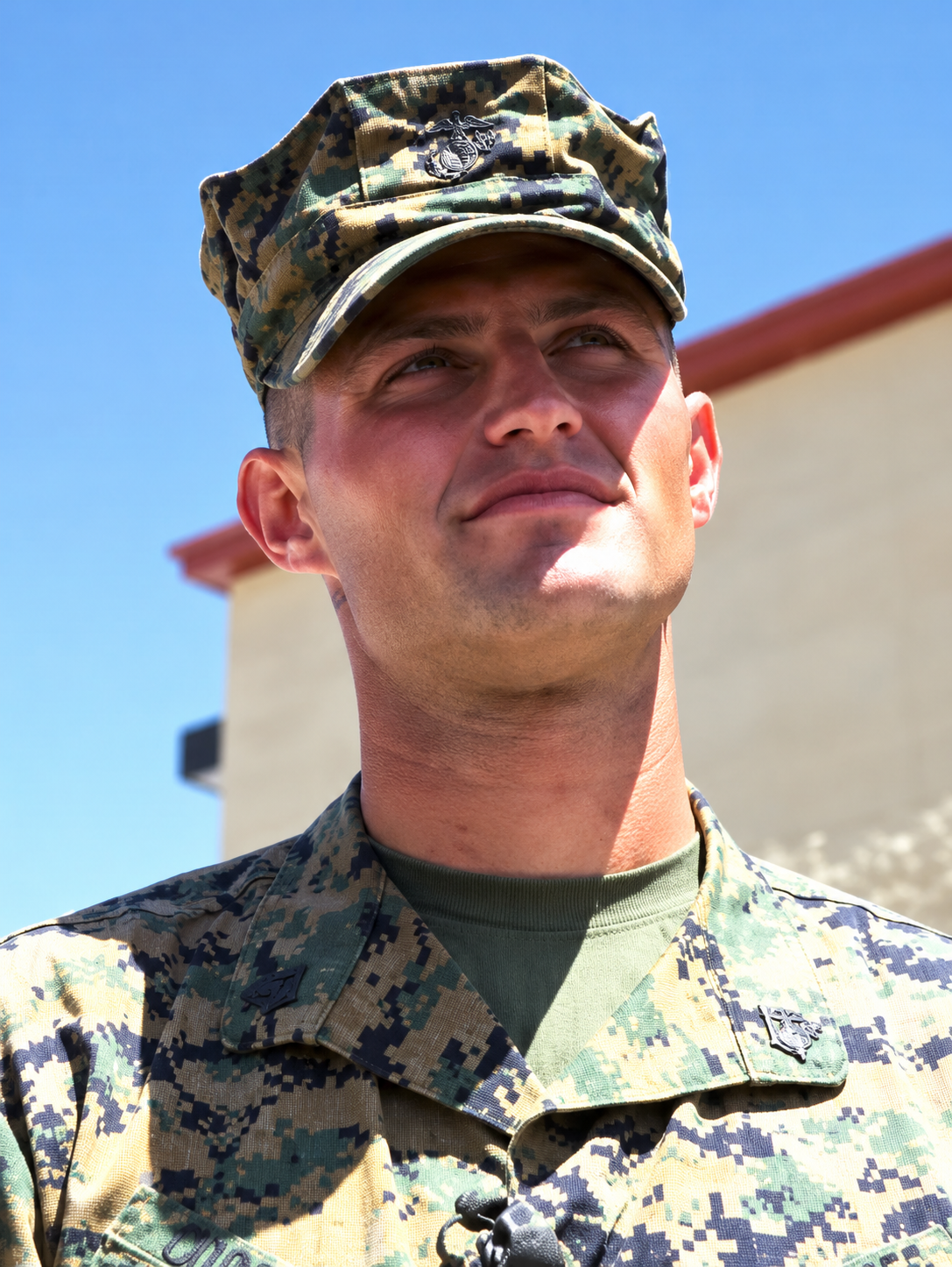
Willie L. Copeland III
Sergeant · Iraq
On April 7, 2004, in Iraq's Al Anbar Province, Sergeant Willie Copeland led five reconnaissance Marines through an ambush by dozens of insurgents. Crossing an exposed field and muddy canal, his team assaulted enemy positions at close range. When his commanding officer was wounded, Copeland shielded him from gunfire, administered first aid, and helped carry him to safety before organizing his team's withdrawal. His bravery earned him the Navy Cross.
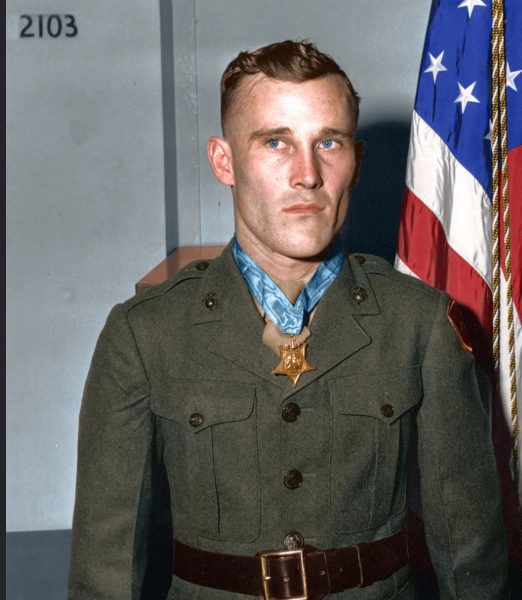
Wilson D. Watson
Private · World War II
On February 26–27, 1945, during the Battle of Iwo Jima, Private Wilson D. Watson served as a Browning Automatic Rifle gunner with the 9th Marines. When Japanese defenses halted his squad, Watson charged and destroyed an enemy pillbox. Later, he advanced up a heavily defended hill, holding his exposed position for 15 minutes and killing 60 Japanese soldiers before his platoon could reach him. His extraordinary courage allowed his Marines to continue their advance and earned him the Medal of Honor. He survived the war.