Honoring the extraordinary courage and service of United States Marines.
103 profiles · Page 1 of 6
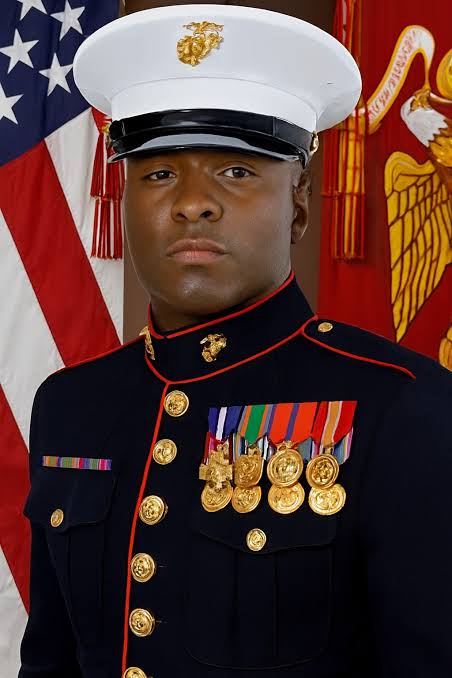
Ademola D. Fabayo
First Lieutenant · Afghanistan
On September 8, 2009, at Ganjgal, Afghanistan, First Lieutenant Ademola Fabayo was ambushed alongside Afghan troops and American advisers by roughly 50 entrenched insurgents. He fought toward four separated teammates, then crossed hundreds of meters of exposed ground to help carry a wounded Army adviser to safety. Fabayo returned in an unarmored truck and later manned a gun-truck weapon during an effort to recover the fallen. He received the Navy Cross.
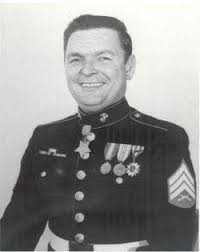
Albert R. Campbell
Private · China Relief Expedition
During the Boxer Rebellion in China, Private Albert R. Campbell displayed extraordinary courage on June 21, 1900, near Tientsin. Serving with a Marine relief force, Campbell helped rescue a wounded fellow Marine who had been left behind during the fighting. The rescue party carried their wounded comrade more than 25 kilometers back to safety. Campbell received the Medal of Honor for his distinguished conduct during the advance on Tientsin.
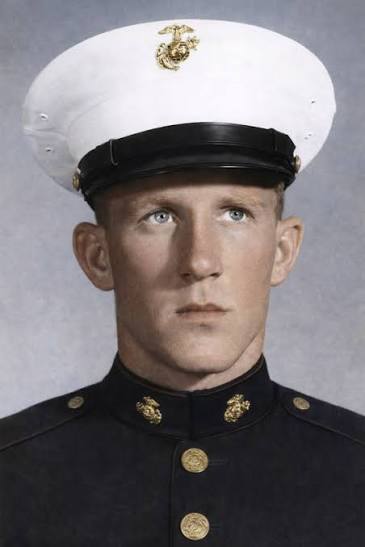
Alfred M. Wilson
Private First Class · Vietnam War
On March 3, 1969, during an enemy ambush near Fire Support Base Cunningham in Vietnam, Private First Class Alfred M. Wilson rushed through heavy gunfire to recover a machine gun after its crew was wounded. When an enemy grenade landed beside another Marine, Wilson threw himself onto it, sacrificing his life to save his comrade. He was posthumously awarded the Medal of Honor.
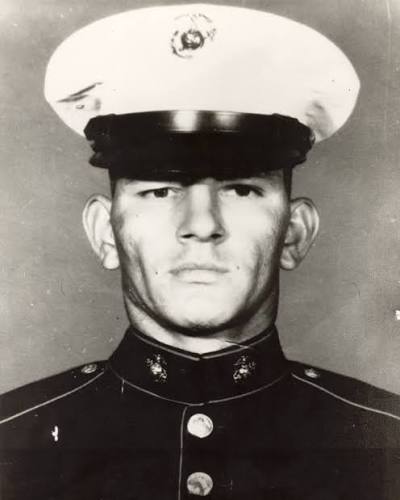
Alfredo Gonzalez
· Vietnam War
Marine Alfredo Gonzalez fought during the Tet Offensive in 1968 near Thua Thien, South Vietnam. His heroism in combat was recognized with the Medal of Honor. The Congressional Medal of Honor Society includes him among the recipients associated with the Tet Offensive.
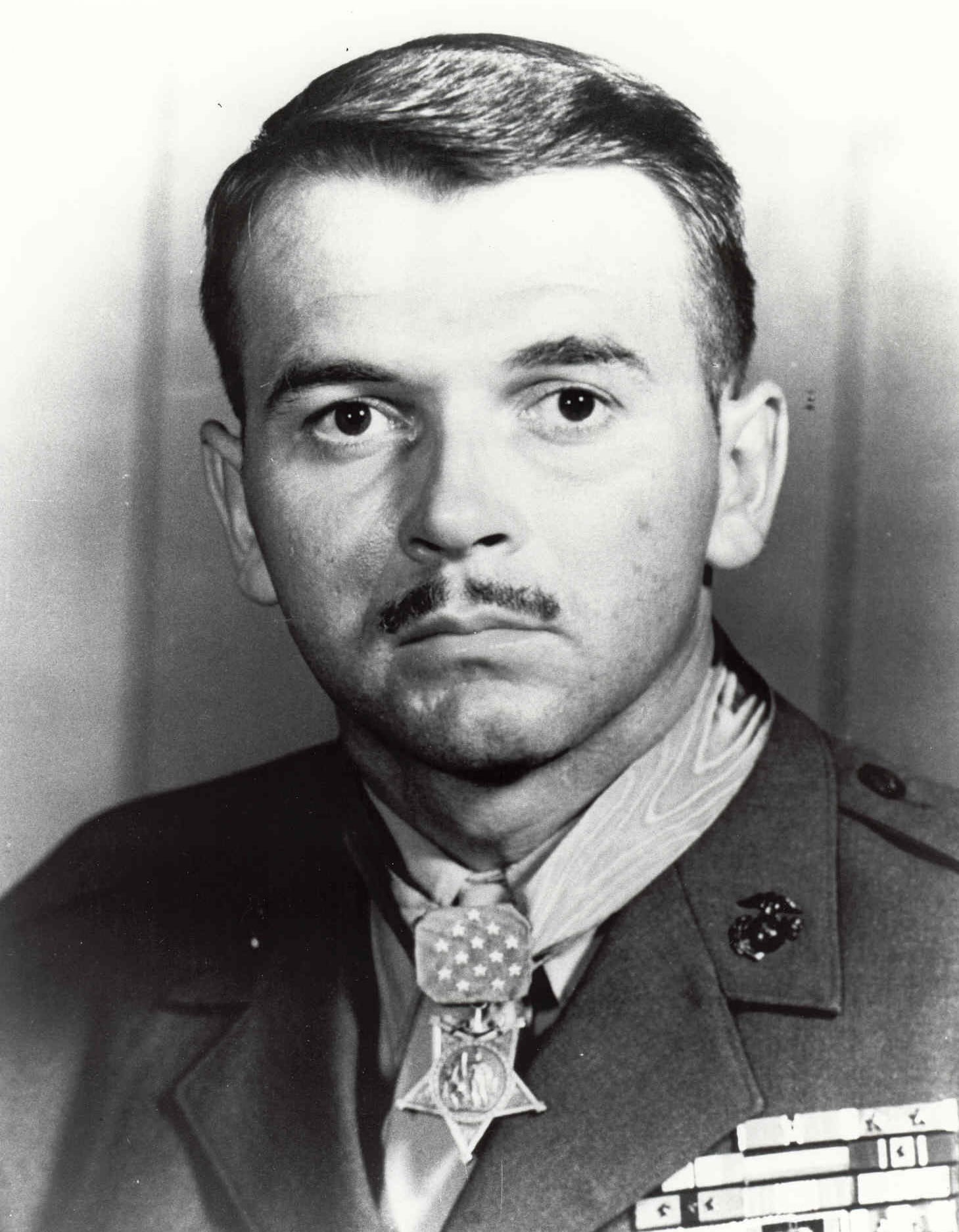
Allan J. Kellogg Jr.
Gunnery Sergeant · Vietnam War
On March 11, 1970, in Quang Nam Province, Vietnam, Staff Sergeant Allan J. Kellogg Jr. was leading Marines evacuating a fallen comrade when they came under heavy enemy fire. When a grenade landed among his men, Kellogg forced it into the mud and threw himself over it, absorbing the explosion. Despite serious wounds, he continued directing his Marines to safety. He survived and received the Medal of Honor.
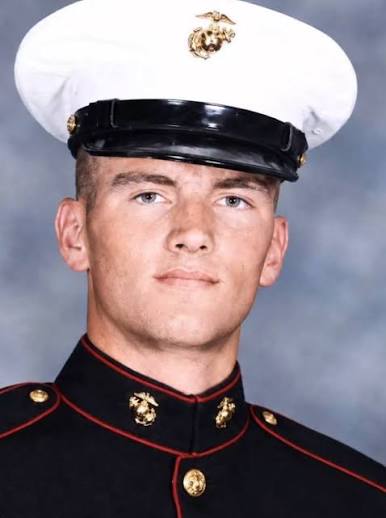
Anthony Casamento
Corporal · World War II
On November 1, 1942, during fighting near the Matanikau River on Guadalcanal, Corporal Anthony Casamento continued operating his machine gun after every Marine in his section was killed or severely wounded. Despite suffering multiple wounds himself, he destroyed an enemy machine gun position and repeatedly repelled Japanese attacks, protecting neighboring Marine units until reinforcements arrived. His extraordinary bravery earned him the Medal of Honor.
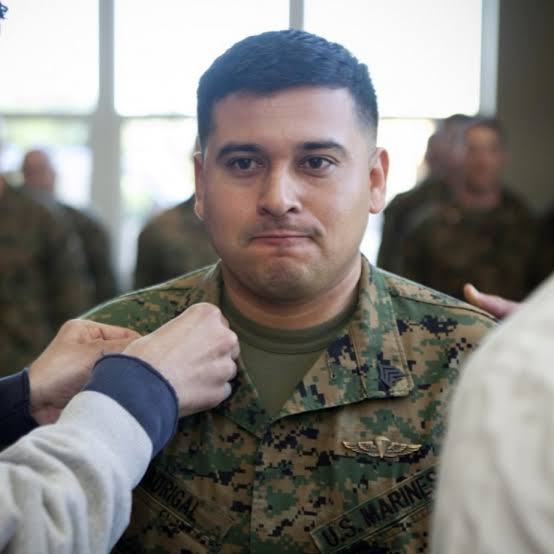
Anthony L. Viggiani
Sergeant · Afghanistan
On June 3, 2004, in Zabol Province, Afghanistan, Sergeant Anthony Viggiani led Marines assaulting an enemy-held ridgeline when machine-gun fire from a cave wounded two men. Crossing exposed ground, he retrieved a grenade and returned to the cave entrance to destroy the enemy position. Although wounded by rifle fire, he continued leading the assault, allowing his company to advance. Viggiani received the Navy Cross.
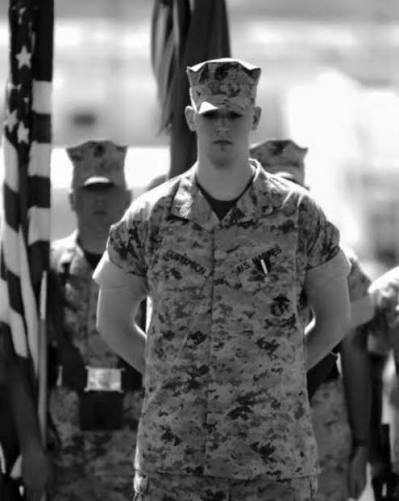
Brady A. Gustafson
Lance Corporal · Afghanistan
On July 21, 2008, in Afghanistan, Lance Corporal Brady Gustafson was manning a vehicle-mounted machine gun when insurgents ambushed his convoy. Enemy fire struck him repeatedly, severely injuring his arm, but he continued firing at the attackers rather than abandon his position. His sustained machine-gun fire helped protect fellow Marines and allowed the unit to fight through the attack. Gustafson survived and received the Navy Cross.
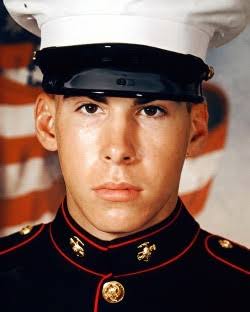
Brent L. Morel
Captain · Iraq
On April 7, 2004, in Al Anbar Province, Iraq, Captain Brent Morel led reconnaissance Marines against insurgents who had ambushed their convoy. With rockets, mortars, and machine guns striking his unit, he left his vehicle and led an assault across open ground to flank the attackers. Seeing Marines still pinned down, Morel continued advancing toward enemy positions and was mortally wounded. He received the Navy Cross posthumously.
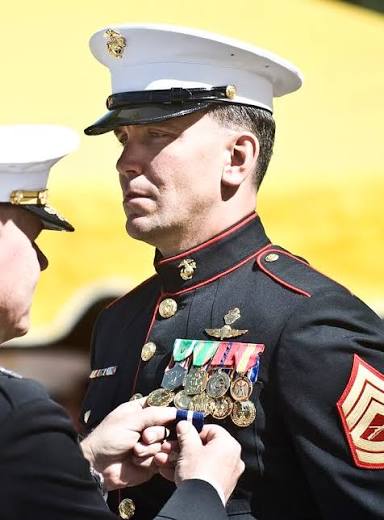
Brian C. Jacklin
Gunnery Sergeant · Afghanistan
During a firefight in Afghanistan in 2012, Gunnery Sergeant Brian Jacklin's Marine special operations team suffered serious casualties, including its leader. Jacklin assumed command under fire, positioned the remaining Marines to counterattack, and coordinated communications and supporting fires. He also organized the evacuation of wounded teammates while the unit remained threatened by insurgents. His leadership helped prevent further losses and earned him the Navy Cross.
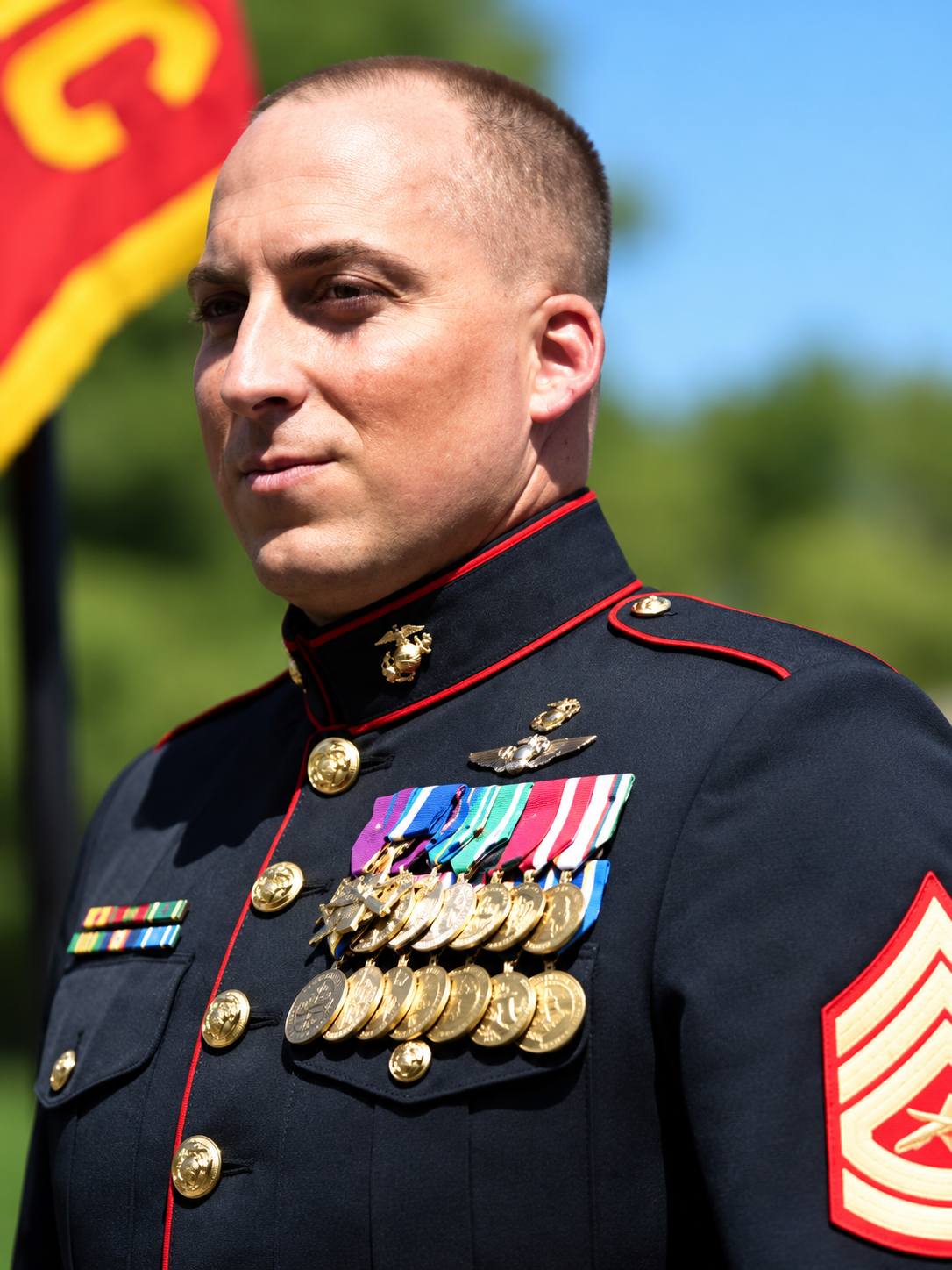
Brian M. Blonder
Gunnery Sergeant · Afghanistan
On August 8, 2008, in Shewan, Afghanistan, Gunnery Sergeant Brian Blonder led reconnaissance Marines through an eight-hour battle after insurgents attacked with rockets, mortars, and machine guns. He repeatedly exposed himself to enemy fire to coordinate the recovery of trapped Marines, then personally led a flanking assault against enemy trenches. His leadership helped his outnumbered platoon defeat the attackers and earned him the Navy Cross.
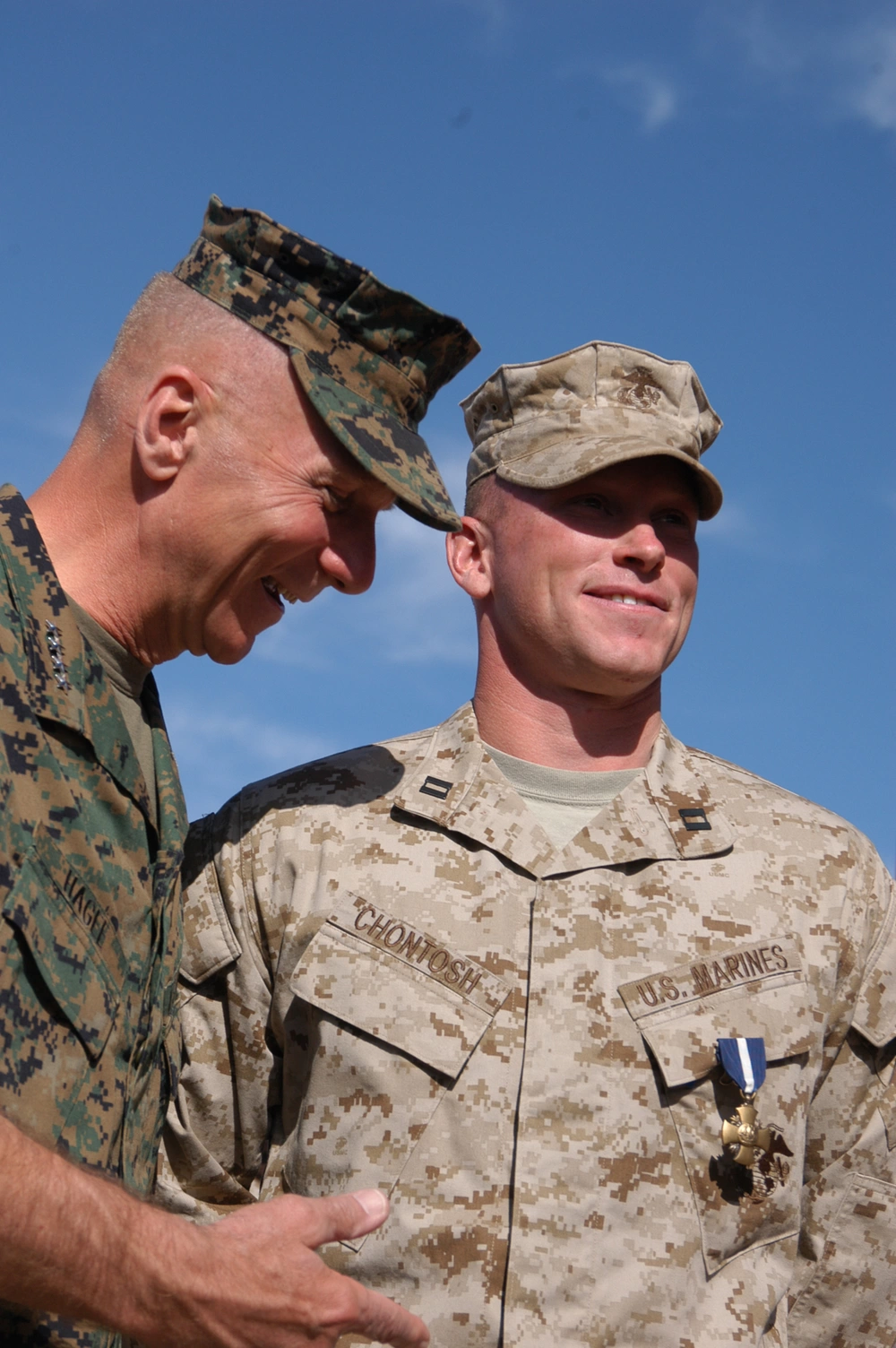
Brian R. Chontosh
First Lieutenant · Iraq
On March 25, 2003, near Ad Diwaniyah, Iraq, First Lieutenant Brian Chontosh's platoon was trapped by mortars, machine guns, and rocket-propelled grenades. He ordered his Humvee directly into an enemy trench, then jumped out and fought down more than 200 meters of it. After exhausting his rifle and pistol ammunition, he seized discarded enemy rifles and continued attacking. His assault broke the ambush and earned him the Navy Cross.
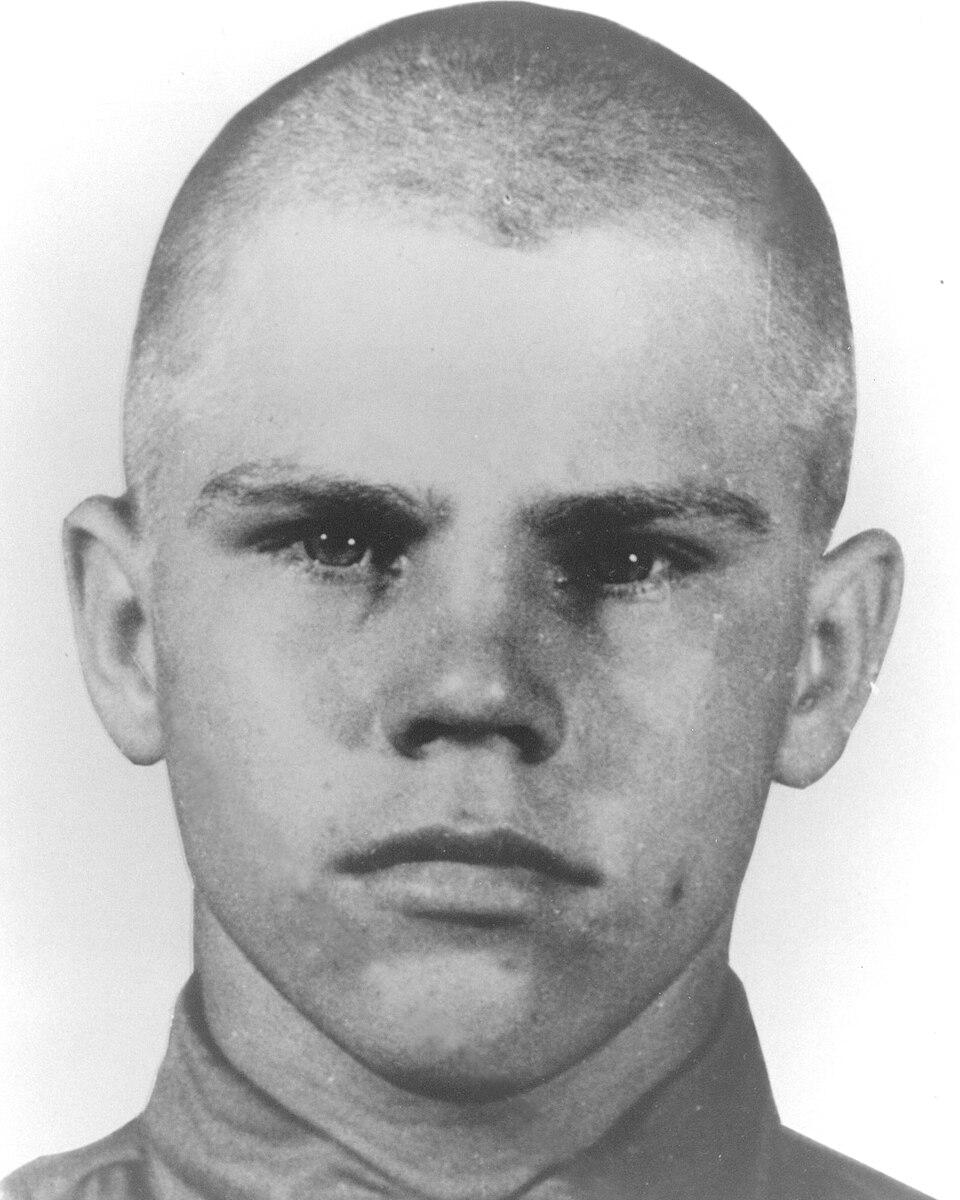
Charles G. Abrell
Corporal · Korean War
In June 1951, Corporal Charles G. Abrell was leading a fire team during an attack on fortified enemy positions in Korea. When fire from a bunker stopped his squad, he moved forward alone despite grenade wounds. Wounded again as he approached the position, he carried a live grenade into the bunker, sacrificing his life to silence the weapon and help his platoon advance. He received the Medal of Honor posthumously.
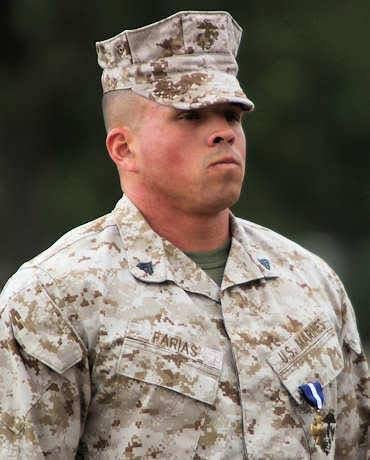
Christopher B. Farias
Sergeant · Afghanistan
On October 5, 2010, near Kajaki, Afghanistan, Sergeant Christopher Farias was wounded when Taliban fighters attacked a Marine patrol base with recoilless rifles and machine guns. Despite a concussion and fragmentation wounds, he climbed onto the roof to return fire and direct machine guns against enemy positions. He remained exposed until wounded Marines were evacuated and the remaining defenders withdrew. His actions earned him the Navy Cross.
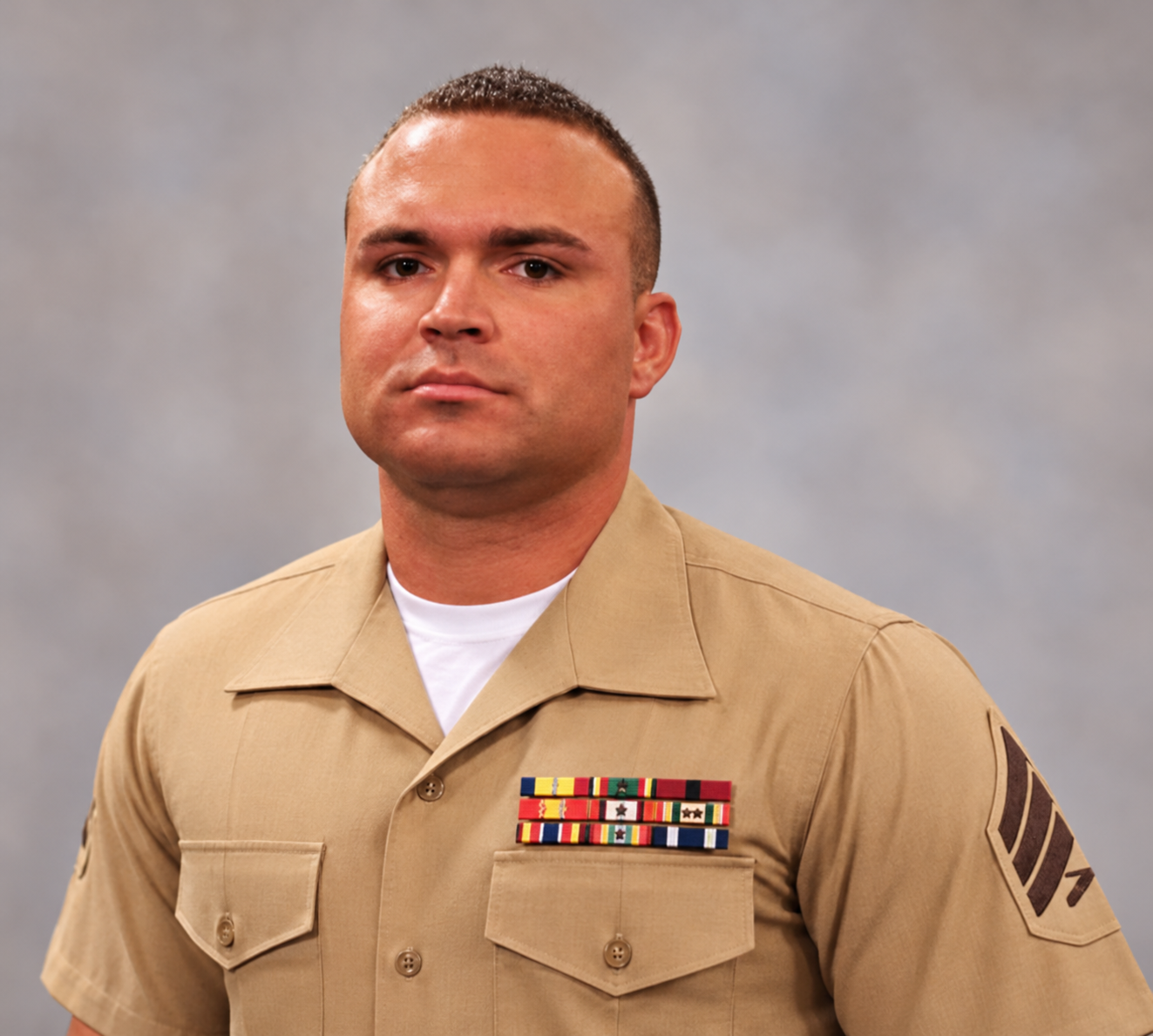
Clifford M. Wooldridge
Corporal · Afghanistan
On June 18, 2010, in Afghanistan, Corporal Clifford Wooldridge led Marines against insurgents preparing an ambush. After attacking the enemy flank, he stayed behind to cover his team's withdrawal. Encountering more fighters at close range, Wooldridge killed two with his automatic weapon. When another enemy fighter appeared with a machine gun, he seized the weapon and defeated the attacker in hand-to-hand combat. His courage earned him the Navy Cross.
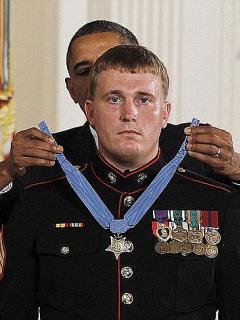
Dakota L. Meyer
Corporal · Afghanistan
During an ambush near Ganjgal on September 8, 2009, Corporal Dakota Meyer repeatedly entered an area under heavy enemy fire to assist U.S. and Afghan personnel. He helped evacuate wounded allies and searched for missing team members despite being wounded himself. He received the Medal of Honor for his extraordinary courage.
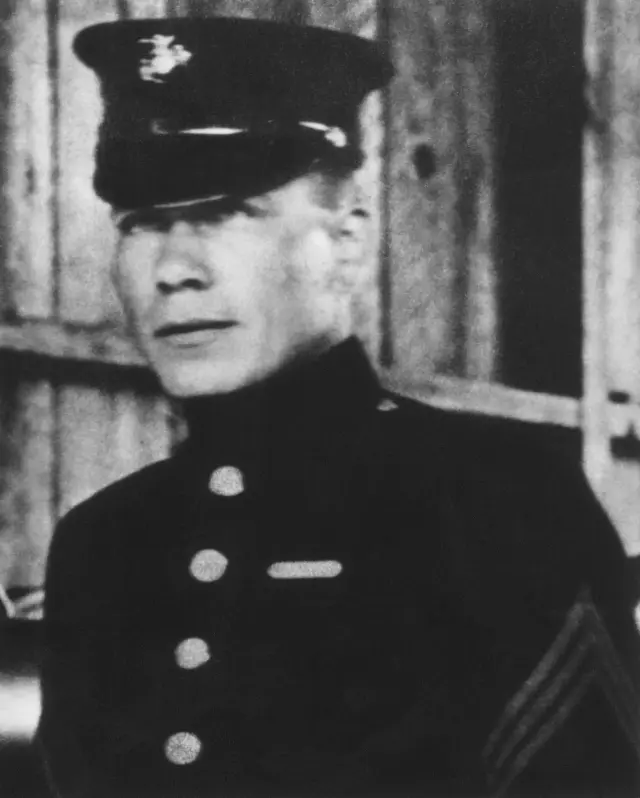
Daniel Campbell
Private · Spanish-American War
On May 11, 1898, during the Spanish-American War, Private Daniel Campbell served aboard the USS Marblehead during a dangerous mission to sever underwater communication cables near Cienfuegos, Cuba. Despite intense gunfire from Spanish shore defenses, Campbell remained steadfast under enemy fire, displaying extraordinary bravery and composure throughout the operation. His courageous actions earned him the Medal of Honor.
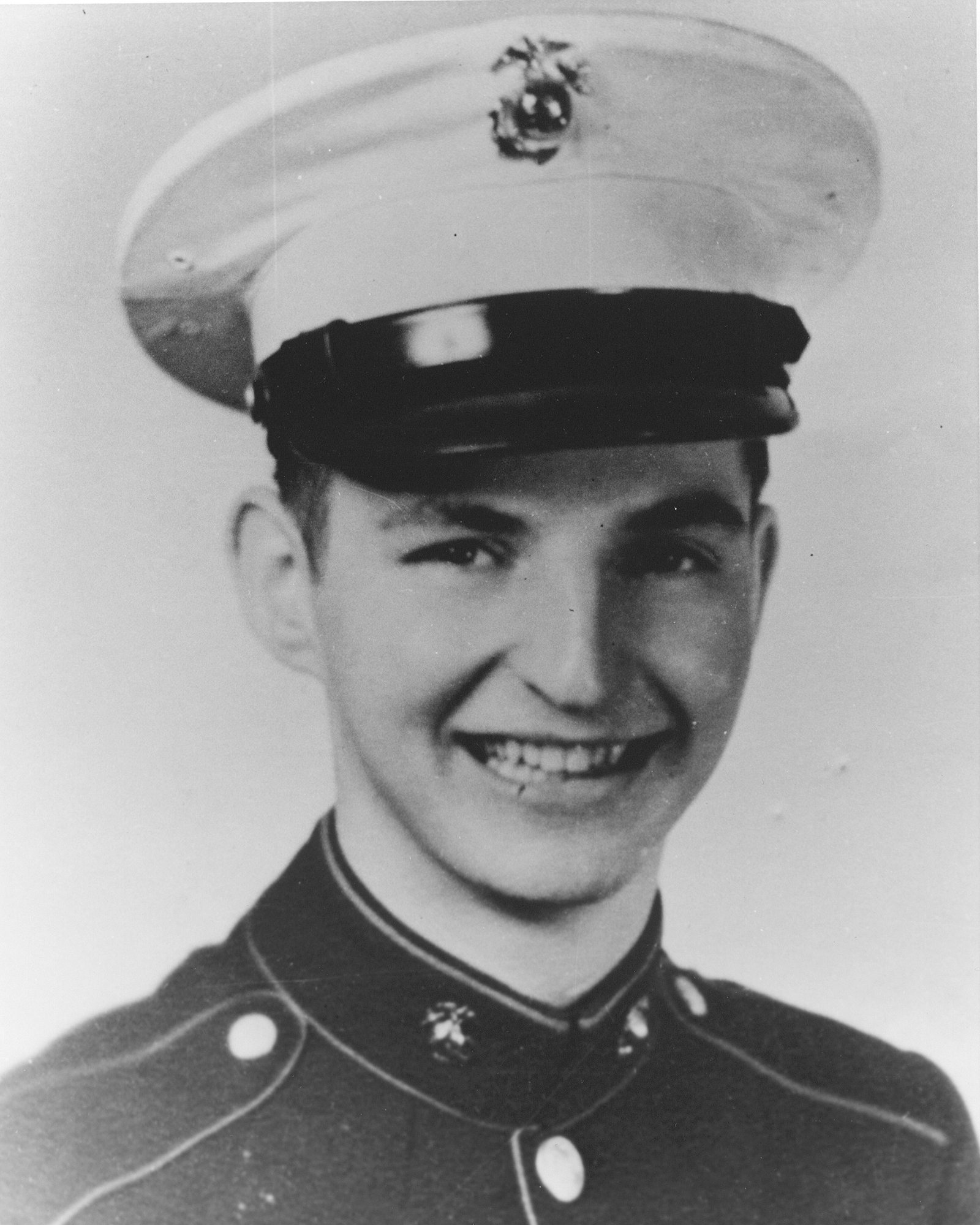
David B. Champagne
Corporal · Korean War
On May 28, 1952, during the Korean War, Corporal David B. Champagne led his fire team against heavily fortified enemy positions. Despite being wounded, he refused evacuation and continued fighting. When an enemy grenade landed among his Marines, Champagne grabbed it and threw it away. The grenade exploded, severely wounding him, and he was subsequently killed by mortar fire. His sacrifice saved fellow Marines and earned him the Medal of Honor.